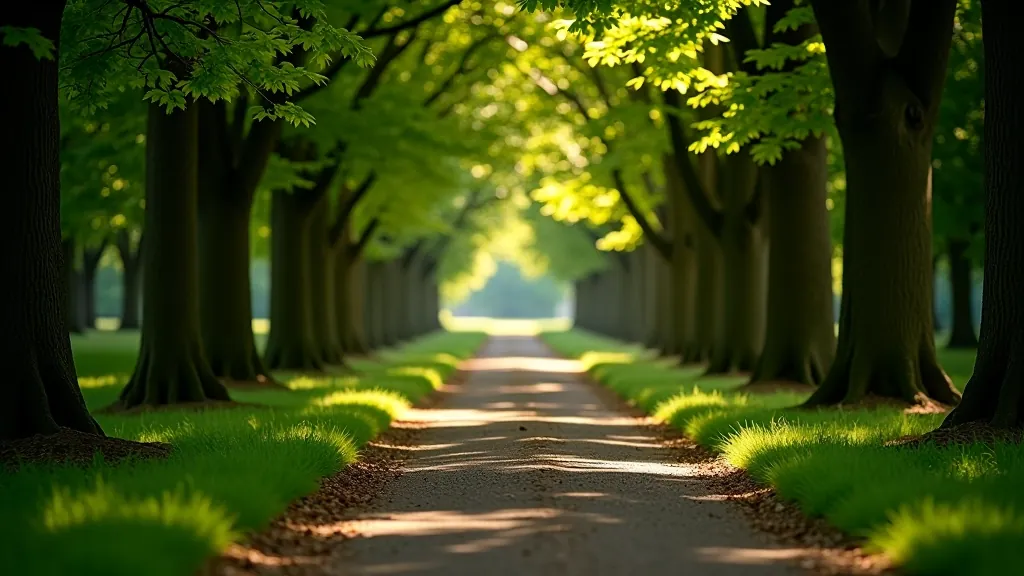

The Main Avenue Walk: Two Miles Through History
A straightforward walk along the formal avenue approach. It's flat, well-maintained, and takes about forty-five minutes.
A scenic waterside walk through the estate boundary with historic bridges and diverse wildlife spotting opportunities.
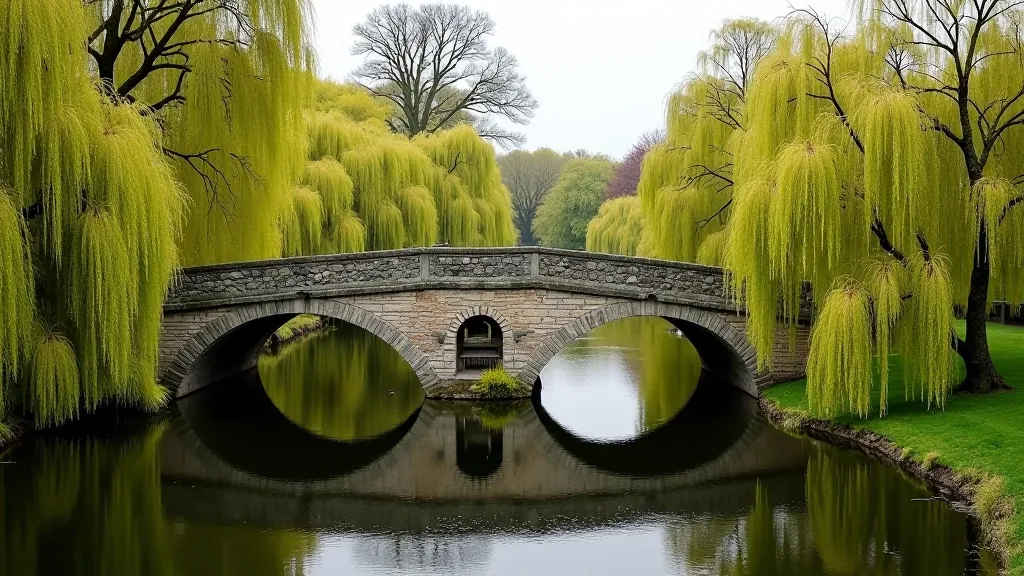
This walk follows the river boundary that marks the estate perimeter. It's not the most direct route — far from it — but that's exactly what makes it worthwhile. You're walking alongside the water for most of the four miles, which means you'll see the grounds from perspectives most visitors never encounter.
The whole thing takes about ninety minutes at a steady pace. You'll cross three historic stone bridges, pass through sections of established woodland, and have clear views across the river valley. If you're into bird watching, bring binoculars — the riverside attracts plenty of activity, particularly in spring and early summer.
Four miles total. Approximately 90 minutes at moderate pace. Minimal elevation change throughout.
Mostly grass and well-defined paths. A few sections are harder ground near the bridges. Manageable in most conditions.
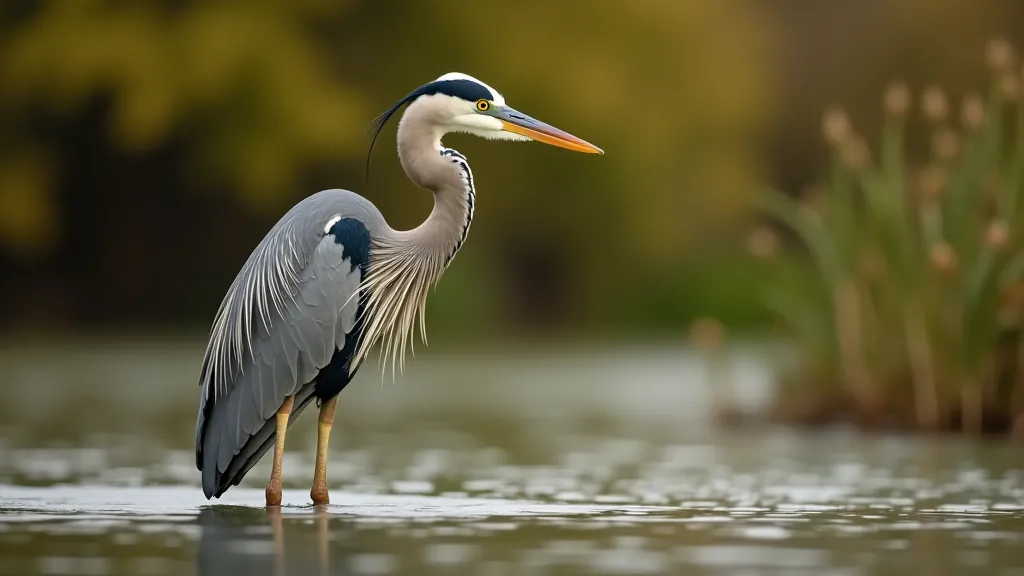
Herons, kingfishers, and various waterfowl are regular sightings. The riverside woodland supports diverse bird populations.
The trail begins near the eastern entrance to the estate, where a clearly marked gate opens onto a gravel pathway. From here, you're heading toward the river — you'll hear it before you see it, particularly after rainfall when water levels are higher.
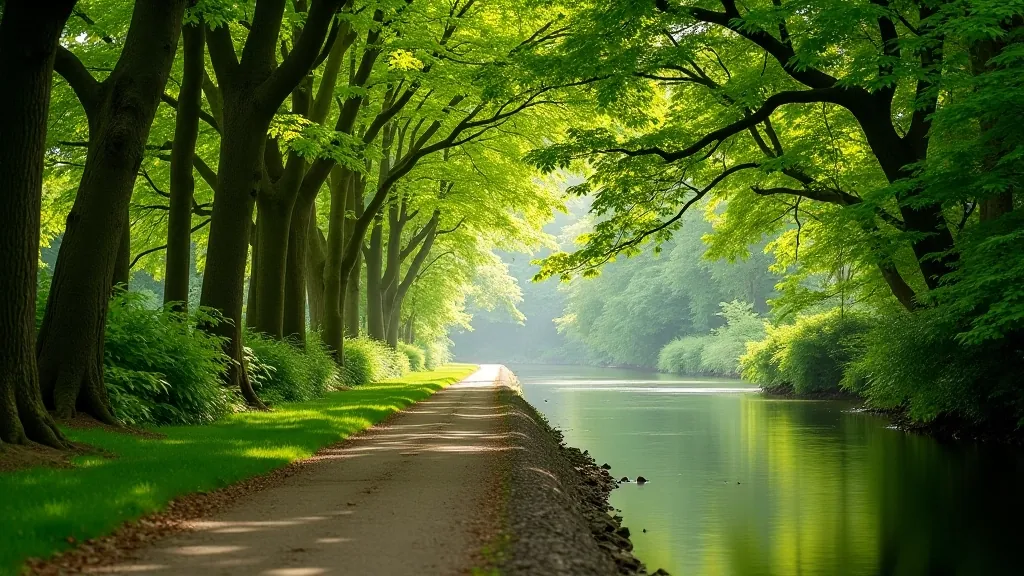
The first half-mile is fairly open grassland with occasional trees. It's gentle walking, no technical bits, just a straightforward descent toward the water. Once you reach the river proper, the character changes. You're now walking along the bank with the water on your left. The path narrows in places and becomes more intimate — the trees close in, and you're genuinely aware you're in a quieter part of the estate.
That's where it gets interesting. Most people don't venture this far along the boundary. You'll notice the difference immediately — fewer footfalls, more birdsong, a real sense of discovering something beyond the typical walking routes.
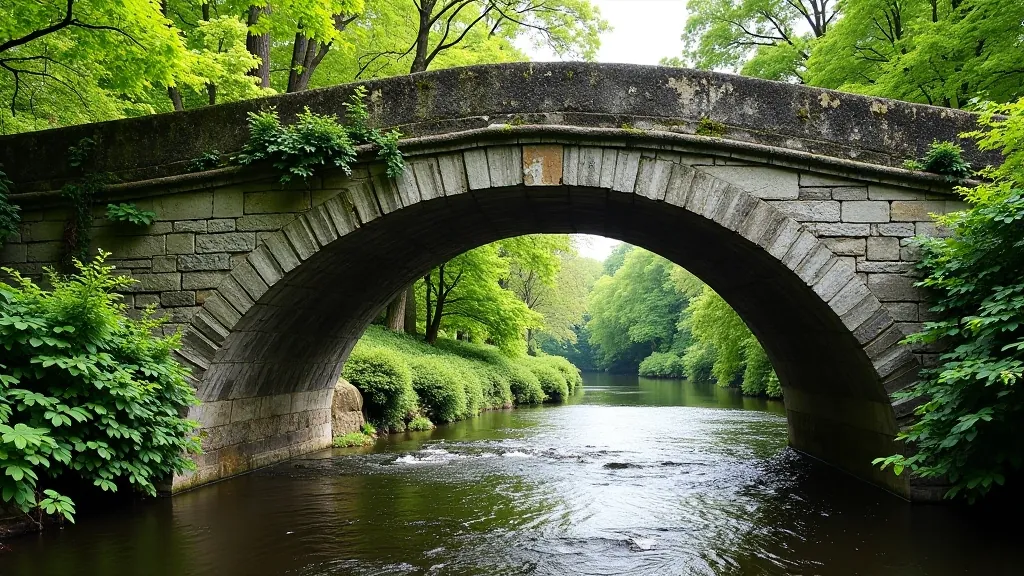
You'll encounter three distinct bridges along the trail, each with its own character. The first — roughly at the one-mile mark — is the smallest. It's a single-span stone arch, probably built sometime in the 18th century. The stonework's been patched over the years, but the structure remains solid. It's a good place to pause, look upstream and downstream, and appreciate the engineering that went into these crossings.
The second bridge comes about a mile further on. This one's larger — double span — and you'll notice the approach path becomes more substantial here. There's a small clearing on the far side where people often stop. It's not marked as a rest point, but the ground levels out, the tree coverage opens up slightly, and there's a natural place to catch your breath.
The final bridge is the most impressive. It's broader, more ornate, and clearly built for more substantial traffic than the others. The view from this bridge looking back along the river valley toward the estate is genuinely one of the best vistas on the whole walk. It's worth timing your arrival here for when the light's favorable — late afternoon's particularly good.
This route is intended for informational purposes to help you understand the Riverside Trail experience. Weather conditions significantly affect walkability — the paths become slippery after heavy rain, and water levels rise seasonally. Always check current conditions before setting out. Wear appropriate footwear, bring water, and let someone know your route. The bridges are historic structures; use care when crossing, particularly if wet.
The riverside habitat supports a surprising diversity of bird life. Herons are the most visible — they're patient hunters, often standing motionless in the shallows. If you're quiet and move slowly, you might spot kingfishers, though they're quick and tend to vanish downstream before you get a proper look.
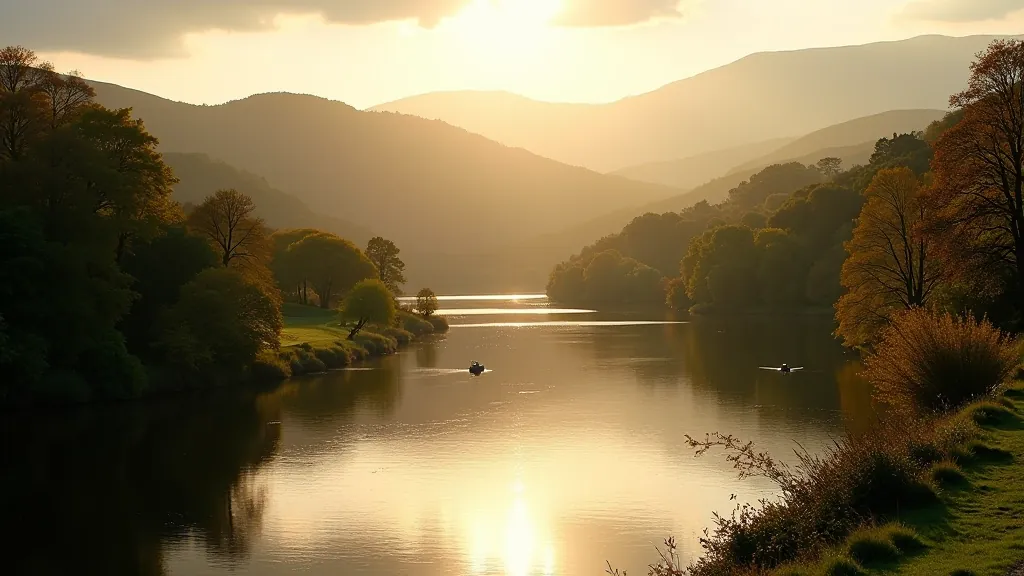
The water itself changes character along the walk. In the upper sections, it's faster-moving with small rapids where the ground steepens. Further downstream, it broadens and calms, becoming almost pool-like in places. The vegetation changes too — you'll notice different tree species depending on which section you're walking through. Willows dominate near the water; oak and ash are more common in the drier areas set back from the bank.
There's something about walking alongside water for extended periods. It's meditative without being boring. The sound creates a constant backdrop, but it's not monotonous — the pitch and rhythm change as the river moves through different landscapes. You're never walking in silence, but you're never overwhelmed by noise either.
The walk is essentially out-and-back along the same path, though you can vary your return by taking slightly different lines through the grassland sections if you want some variety. Most people find the return easier than the outbound — you're retracing familiar ground, and there's a rhythm to it.
Wear proper walking boots or sturdy shoes. The paths are well-maintained, but you're alongside water for most of the route, and the ground can be damp even when it hasn't rained recently. Bring water — there's no supply along the trail, and four miles at moderate pace is enough to leave you thirsty. A map's useful, though the river itself serves as your navigation guide — you're not going to get lost if you keep the water on one side.
Best times are spring through autumn. Winter's perfectly walkable if the ground isn't frozen, but it's wetter and the daylight hours are shorter. Early morning or late afternoon visits are quieter — you're more likely to spot wildlife, and the light's usually better for photographs if that's something you're interested in.