
Woodland Loop: Discovery Through the Back Routes
Three miles of winding paths through mature woodland. More challenging than the avenue walk, but worth every step for the peace you'll find.

Getting Off the Beaten Path
The Woodland Loop isn't the easiest walk around Castletown, but that's exactly why you'll see things other visitors miss. You'll climb some gentle hills, navigate tree roots, and encounter sections where it's just you and the forest. Most walkers stick to the Main Avenue — which is fine if that's what you need. But if you've got the stamina for moderate terrain, the woodland interior offers something completely different.
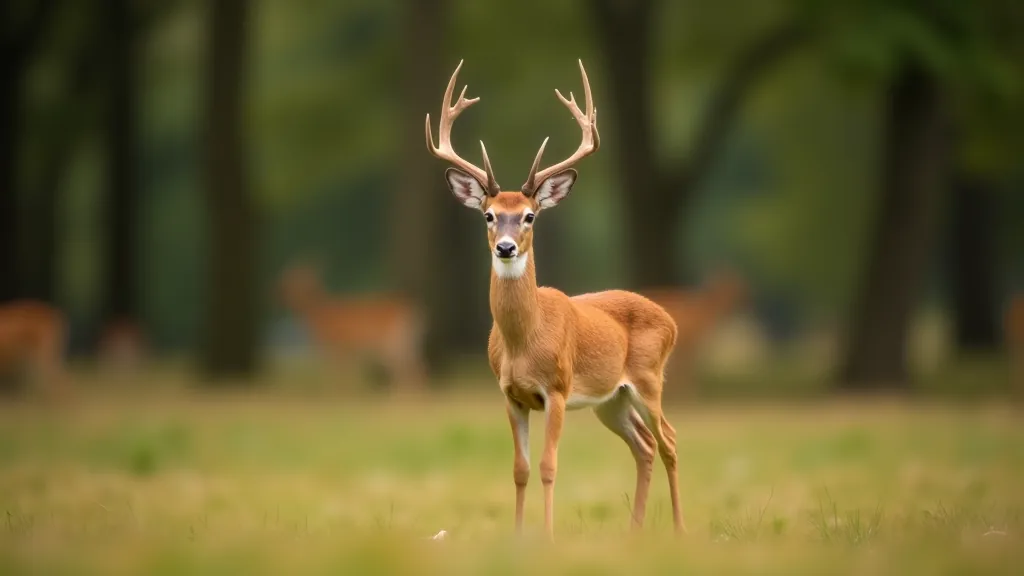
The route takes you through stands of beech and oak that have been here for decades. You'll pass small streams, discover quiet sitting areas, and if you're lucky, spot deer early in the morning. It's not a manicured park walk. It's proper woodland exploration with a real sense of discovery.

Route Breakdown: What to Expect
The loop starts near the Parklands entrance and heads into the woodland immediately. You'll climb gradually for the first half-mile — nothing steep, but you'll feel it. The terrain's uneven with tree roots and the occasional rocky section, so proper footwear isn't optional here.
Key Sections
- First mile: Gradual climb through mixed woodland
- Mile one to two: Plateau section with river glimpses below
- Final mile: Descent back toward the starting point
The elevation change is about 150 feet total — moderate rather than challenging. You're not climbing mountains, but you're definitely working harder than on the Avenue Walk. Most people take about 75 to 90 minutes for the full loop at a comfortable pace. Don't rush it. The whole point is to notice things.
Wildlife and What You'll See
This is the main reason people come back to the Woodland Loop repeatedly. You're walking through actual habitat, not a park perimeter. Fallow and red deer use these paths regularly — you'll spot them most often in early morning or late afternoon. Even if you don't see deer, you'll notice the evidence: tracks, droppings, browsed vegetation.
The bird activity is constant. Woodpeckers, jays, wrens, pheasants — you'll hear them even if spotting them's tricky. In spring and summer, wildflowers line the path: bluebells, wood anemones, and wild garlic. The whole ecosystem feels alive because it actually is.
Don't expect a nature documentary moment where everything appears on cue. Real wildlife observation is mostly patience and luck. But if you walk quietly and stop occasionally, you'll have encounters that remind you why these woods matter.
What You Need to Know Before You Go
Footwear
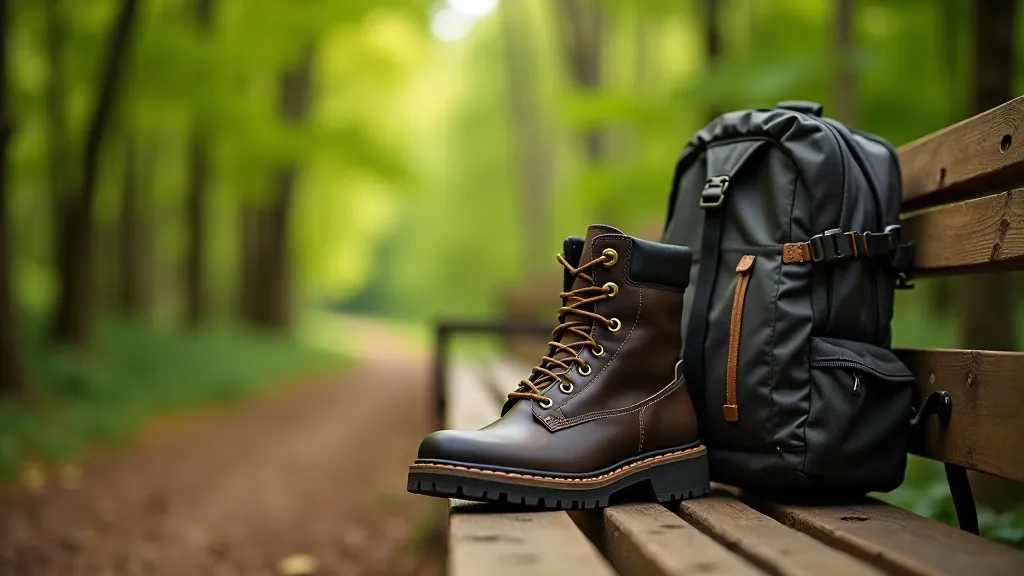
Proper hiking boots or trail shoes aren't luxury items on this route — they're essential. The uneven terrain and tree roots will twist an ankle if you're wearing regular trainers. Waterproof is smart, especially in wetter months.
Water & Breaks
Bring more water than you think you'll need. There's a stream you can filter from, but it's not reliable for drinking directly. There are benches at two points along the route — use them. Sitting quietly for 10 minutes often brings wildlife sightings.
Navigation
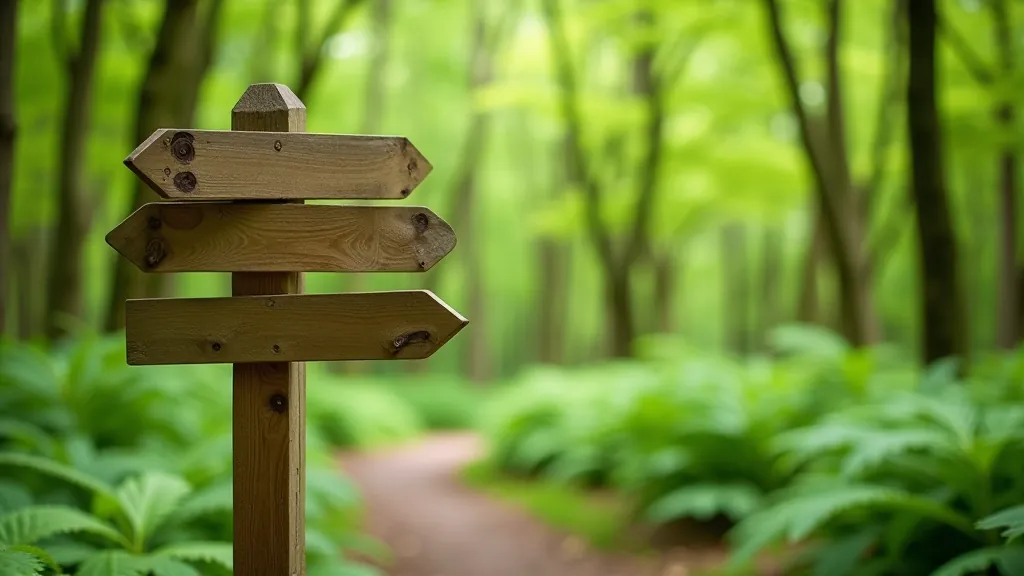
The path is marked with occasional blazes and signs, but it's easy to miss a turn if you're not paying attention. A simple map or GPS app helps. The loop's well-established though — most people don't get lost.
Weather
The tree canopy offers protection from sun and some rain, but it's also darker and damper. After heavy rain, the path gets muddy and slippery. Best conditions are late spring through early autumn.

Important Information
This guide is informational and reflects typical conditions. Walking difficulty varies based on individual fitness, weather conditions, and seasonal changes. Always check current weather before setting out, and don't attempt this route if you're not confident with moderate terrain or uneven paths. If you have mobility concerns or health conditions, consider the Main Avenue Walk or Meadow Walk instead. Wear appropriate footwear, bring water, and tell someone where you're going.
Why This Route Matters
The Woodland Loop isn't the obvious choice. It's more work than the Avenue Walk and doesn't have the manicured appeal of the main park areas. That's precisely why it's worth doing. You're walking through a functioning woodland ecosystem where you're the visitor, not the focus. You'll see genuine wildlife, discover sections of the estate that most people never reach, and experience something quieter and more real than the well-trodden paths.
Come for the exercise, stay for the discovery. And if you spot a deer watching you as carefully as you're watching it, you'll understand why locals keep coming back to these woods.
Explore Other Routes